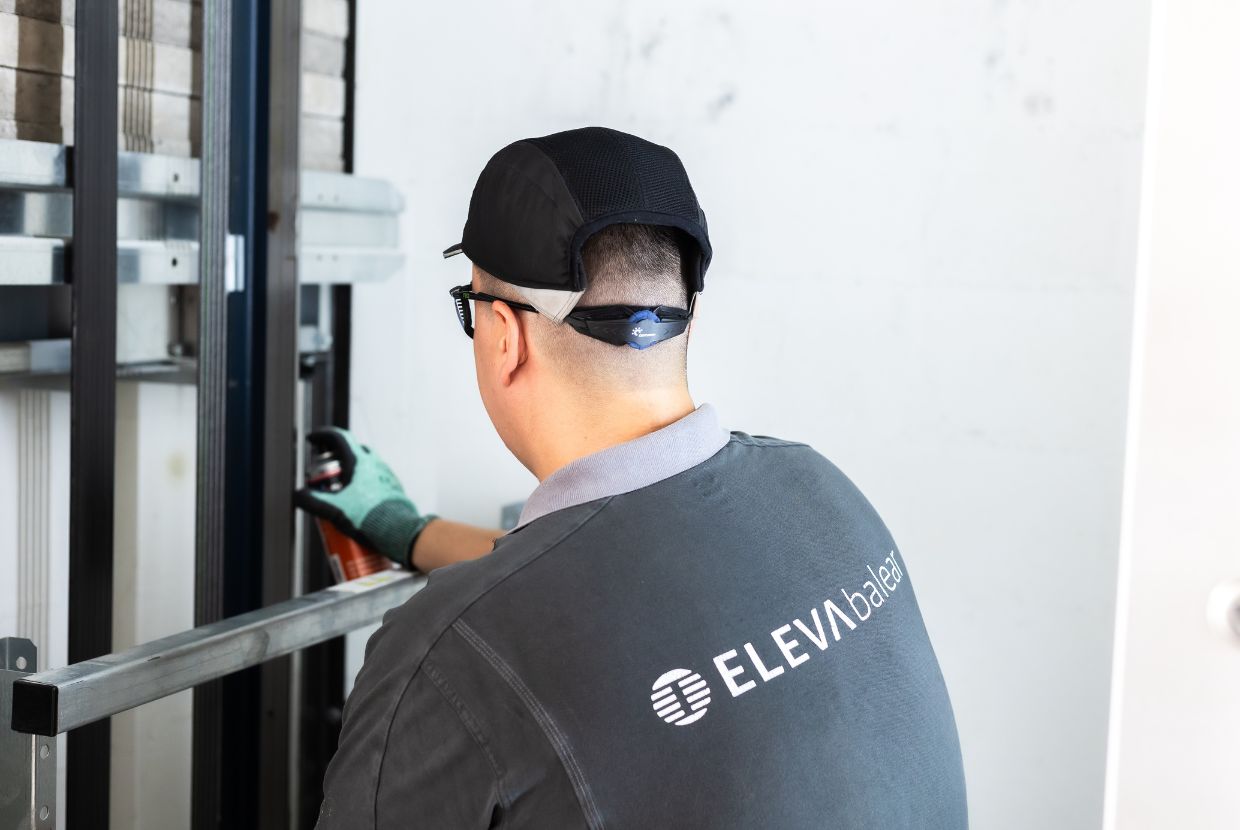
The new Technical Instruction for lifts has brought about a significant change in how these devices are regulated in Spain. Since its implementation, this regulation has updated safety, maintenance, and inspection criteria, focusing on three main objectives: reducing the number of accidents, improving accessibility, and adapting older lifts to current technical standards. And it doesn't just affect companies in the sector; homeowners' associations, building managers, and owners of lift facilities also have new responsibilities that should be understood to avoid penalties and, above all, to protect users.
Why have the regulations been updated?
The new ITC for lifts (ITC AEM 1), approved by Royal Decree 355/2024, replaces the previous regulation, which dated from 2013. During that time, technological advances and changes in European regulations had rendered much of what was previously mandatory obsolete.
What was the purpose of this change? Basically, to:
- Improve the safety of those who use the lift every day.
- Minimize risks in older facilities.
- Establish a clear and unified criterion on maintenance and inspections.
- Make lifts more accessible to everyone.
However, this doesn't mean that all the equipment has to be replaced overnight. The regulation establishes progressive measures, which are applied depending on the condition of the lift and the results of the inspections.
Key technical changes introduced by the new ITC for lifts
One of the most important aspects of this regulation is that it sets new technical requirements, especially for lifts that were installed years ago.
Greater precision when stopping
Now, the cabin is required to stop more precisely at floor level. Something as simple as avoiding a small step can make all the difference, especially for the elderly or those with reduced mobility.
Securer doors
Lifts must be equipped with devices to prevent entrapment, such as photoelectric curtains. This is especially important in older models that still operate with more rudimentary mechanisms.
Active communication 24 hours a day
All lifts must have a two-way communication system available at all times. If any problem occurs inside, the user must be able to request assistance immediately.
Weight control
The regulations also strengthen load control. If the maximum permitted weight is exceeded, the lift must not start. This reduces breakdowns and prevents potentially dangerous situations.
Maintenance: Goodbye to generic
One of the biggest changes is how maintenance is managed. A standard approach is no longer sufficient: each lift must have a specific plan, tailored to its age, characteristics, and level of use. This plan must include:
- What are the minimum tasks that need to be done?.
- How often should they be checked?.
- What tools or technical means are needed?.
Furthermore, maintenance companies are required to provide detailed reports after each visit. This is especially relevant for lift maintenance in Mallorca, where many buildings have older equipment and are used very intensively, particularly during peak season.
Periodic inspections: what changes
The new ITC also organizes the frequency of inspections more clearly, according to the type of building:
- In industrial or public use facilities: every 2 years.
- In residential buildings with more than 20 floors or more than 4 stories: every 4 years.
- For the rest: every 6 years.
Specific inspections will also be carried out when significant changes occur, such as when a new maintenance company is hired. If the lift fails the inspection, it must be taken out of service until the identified faults are corrected.
Responsibilities of the account holder: clearer than ever
The regulations leave little room for improvisation. The owner of the lift—whether an individual, a building association, or a company—is ultimately responsible for ensuring everything is up to date. This includes:
- Hire a duly authorized maintenance company.
- Ensure that inspections are carried out within the established timeframe.
- Save all technical documentation.
- Implement the necessary corrections when indicated in a report.
Failure to comply may result in financial penalties, or even the suspension of service if there are serious deficiencies.
How much time is there to adapt?
While some improvements can wait, the new ITC (Technical Instruction) for lifts establishes specific deadlines for adapting existing equipment. In most cases, there are up to seven years to implement certain changes. This allows communities and owners to plan ahead, although if serious problems are detected, immediate action is required.
How does this affect things in practice?
This regulation raises the bar, yes, but it also means safer and more reliable lifts. Building communities will have to organize themselves better and plan for potential investments, and companies in the sector will have to work with greater rigor and more thorough documentation.
In places like the Balearic Islands, where lift use is almost constant, properly implementing the new ITC is key to avoiding unnecessary downtime and extending the equipment's lifespan.
Lift maintenance in Mallorca with guarantees
At Eleva Balear, we have in-depth knowledge of the new ITC regulations for lifts and help communities and owners adapt to them seamlessly. We work with customized plans and continuous monitoring to ensure every installation is up-to-date and operates with complete safety.
If you want to leave lift maintenance in Mallorca in good hands, count on a team that knows both the regulations and the terrain.