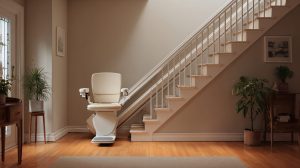
Installing a lift in an older building or one without a shaft requires knowing that it's a technical, legal, and architectural challenge; however, it's not an impossible task. Today, thanks to all the technological advances we've had, combined with professional work, these types of projects can be carried out with ease.
However, it is essential that this be carried out by qualified professionals. On the other hand, this type of work brings many benefits. Among them is improved access for people with reduced mobility or older adults. It also increases the value of the property.
This way, by knowing all the viable options for carrying out this project, you'll be able to achieve your goal without any setbacks. Don't miss a single detail!
Challenges in installation in old buildings
When installing a lift in an older building, the key thing you need to know is that it involves a combination of engineering and legal regulations.
It's no secret that, as these structures are so old, they often lack the necessary features to adapt to modern technologies, and this is where unique challenges arise. Among the most significant are:
Structural and space limitations
Structures from many years ago were built with materials and techniques that are significantly different from today's standards, such as narrow load-bearing walls, shallow foundations, or deteriorated wooden structures. This can make installing a lift in an older building difficult, as they will be difficult to support the additional weight of the system.
Technical requirements and special permits
Many countries require specific permits for interventions in protected buildings, including heritage impact assessments and approvals from cultural entities.
In addition, the technical requirements for installing a lift in an older building are quite stringent, from ensuring universal accessibility to meeting fire and earthquake safety standards.
Integration with existing architecture
This is sometimes a problem, other times not, since ensuring that this work blends harmoniously with the structure's original aesthetics is not an easy task, but it's not impossible either. It's also important to always keep in mind that, in a building of historic value, any modification can significantly alter its identity.
Solutions for installing a lift in an old building or one without a shaft
Thanks to innovation in new technologies, engineering, and design, lack of space when installing a lift in an old building is no longer a problem. Today, there are several efficient alternatives that, without causing any damage, respect the original architecture and, in the same way, adapt to modern needs. Beyond that, here are some of the most notable solutions currently available:
Compact and modular lifts
If we're talking about limited space for installing a lift in an older building, this system is ideal for buildings with limited space, or where a traditional lift shaft isn't possible. It takes up less than 1 m² of floor space, thanks to mechanisms such as gearless motors.
On the other hand, a separate structure is not required, as it is positioned directly against existing walls or integrated into prefabricated modular boxes.
Installations without a machine room or attached to the façade
The main objective of these systems is, above all, to avoid altering the building's internal structure. That's why we present two innovative approaches to make installing a lift in an old building possible:
1. Machine-room-less lifts: These can be hydraulic or electric systems. They integrate the motor into the lift shaft itself, reducing the required space.
2. Lifts attached to the facade: These external structures, built with lightweight materials such as tempered glass or corten steel, are attached to the facade without affecting its stability.
Benefits of the installation for communities and owners
Undoubtedly, installing a lift in an older building, or one without a shaft, provides more than just one benefit. It not only solves technical problems but also has a positive impact on the quality of life of its residents. Let's review the main benefits, both short and medium term:
Increased accessibility and safety
It allows access to all floors for people with reduced mobility, older adults, or families with strollers, improving residents' autonomy. It also minimizes the risk of accidents due to narrow stairwells or poor lighting, and promotes equality by facilitating the use of common areas on upper floors.
Improvement of real estate value
Installing a lift in an older building increases the appeal of new buyers or tenants. It can also increase property values, according to industry studies, by between 151 and 301 percent. We invite you to read How Much Does a Lift Increase the Value of a Home?
Adaptation to accessibility regulations
These projects contribute to compliance with universal accessibility regulations required in many countries and also enable access to public subsidies. They also provide the building with a future-proofing in the face of stricter regulations.
At Eleva Balear we are specialists in lift installation in Palma de Mallorca.
As professionals with years of experience in the sector, we are dedicated to transforming spaces. We have completed numerous lift installation projects in Palma de Mallorca and can easily tackle challenges such as installing an elevator in an old building. Contact us for expert advice.